Glycerol Monooleate (Glyceryl Oleate)
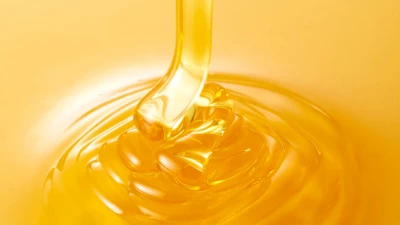
What is Glycerol Monooleate?
Glycerol monooleate, also known as Glyceryl Oleate (INCI name), is a multifunctional ester derived from glycerol and oleic acid. It is widely used as an emollient and emulsifier in cosmetic, technical, and food applications.
The product is known for:
- A soft, non-greasy skin feel
- Good spreadability
- Stabilizing properties in emulsions
As a result, glycerol monooleate is broadly used in formulations where texture, stability, and processability are important.
Packaging
- Bulk
- IBC
- Drum
- Can
CAS
68424-61-3
INCI-name
Glyceryl Oleate
Application
- Technical
- Cosmetic
- Food
- Feed
How is Glycerol Monooleate produced?
Glycerol monooleate is produced through the esterification of glycerol with oleic acid. This is a controlled chemical process that results in the formation of a mono-ester.
Key characteristics of this process:
- Consistent quality and composition
- Good reproducibility in formulations
- Suitable for both cosmetic and industrial applications
Within Europe, production follows applicable regulations (including REACH), which is important for traceability and safety.
How does Glycerol Monooleate work in a formulation?
Glycerol monooleate primarily functions as an emollient and emulsifier. It influences both the structure and the sensory feel of a product.
1. Emollient (skin conditioning agent)
It forms a thin film on the skin, which:
- Makes the skin feel softer
- Helps retain moisture
- Creates a smooth application
Example: In a body lotion, Glyceryl Oleate provides a smooth, easy-to-spread texture without a greasy residue.
2. Emulsifier
It helps oil and water mix and remain stable.
Example: In a cream, it prevents phase separation and improves stability during storage.
3. Improves distribution of active ingredients
It supports an even distribution of ingredients within a formulation.
In which industries is Glycerol Monooleate used?
Due to its versatility, glycerol monooleate is used by both formulators and procurement professionals across a wide range of industries.
Cosmetics & Personal Care
- Creams and lotions
- Sunscreen products
- Make-up
- Cleansing products
Pharmaceutical Industry
- Dermatological formulations
- Excipient in ointments and creams
Technical Applications
- Lubricants
- Oil and emulsion systems
- Processing aid in industrial applications
Agrochemicals
- Carrier for active substances
- Solvent in crop protection formulations
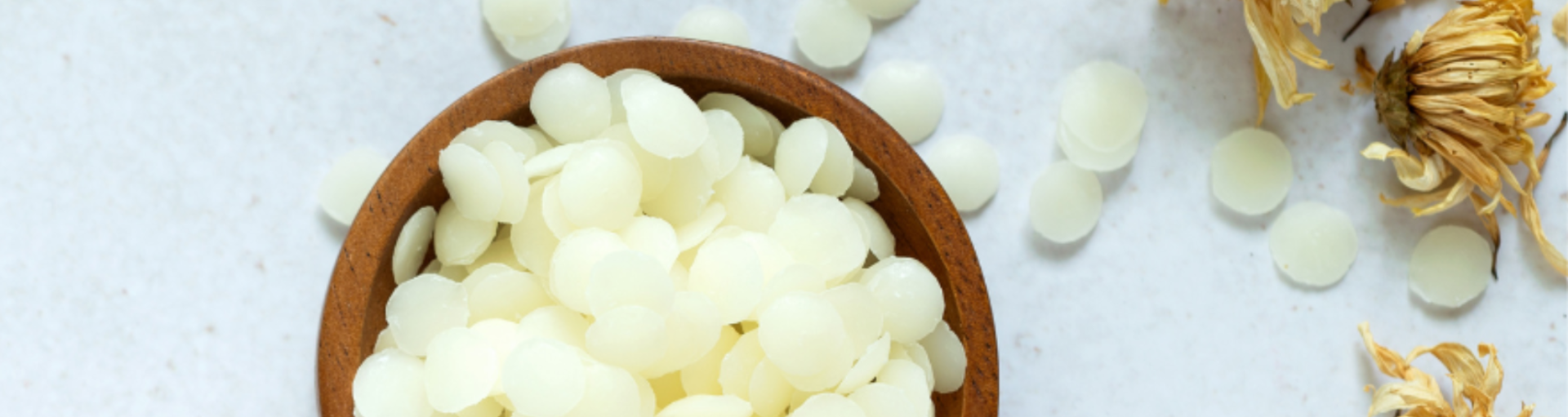
Besides Glycerol Monooleate, we have other products in our range. Check it out on our insights page!
Frequently asked questions about Glycerol Monooleate
1. What are the benefits of Glycerol Monooleate?
- Improves spreadability and skin feel
- Stabilizes emulsions
- Broad applicability (both cosmetic and technical)
- Good compatibility with other ingredients
2. Are there any points of attention when using it?
- Formulation-dependent: correct dosage is important
- Raw material origin may be relevant for “natural” claims
- Not every grade is suitable for every type of emulsion (O/W vs W/O)
3. Is Glycerol Monooleate suitable for natural formulations?
Glycerol monooleate can be derived from plant-based sources (glycerol and oleic acid).
Its suitability for natural formulations depends on:
- The origin of the raw materials
- Certification requirements (e.g. COSMOS)
4. What is the difference compared to other glycerol esters?
The difference lies in the fatty acid chain (such as oleic acid) and the degree of esterification. This determines:
- Hydrophilic/lipophilic behavior
- Applicability in emulsions
- Texture and skin feel
Chempri: your partner in Glycerol Monooleate
Chempri supplies glycerol monooleate as part of a broad portfolio of oleochemicals and their derivatives.
We support customers with:
- Consistent product quality
- Supply from Europe
- Technical support in formulation
- Documentation (specifications, COA)
- Samples for testing
Would you like to know if glycerol monooleate is suitable for your application? Feel free to contact us for advice.