Boiled Linseed oil

What is boiled linseed oil?
Boiled linseed oil is a vegetable-based drying oil derived from flaxseed (Linum usitatissimum) that has been treated to accelerate the drying process. The oil is mainly used for wood treatment, paints, coatings and other technical applications where protection and film formation are important.
Boiled linseed oil is known for the following properties:
-
Faster drying than untreated, raw linseed oil
-
Good penetration into porous materials such as wood
-
Formation of a protective film through reaction with oxygen
-
Suitability as a binder in certain paint and coating formulations
-
Plant-based origin due to its extraction from flaxseed
Boiled linseed oil is also referred to as boiled linseed oil. The exact composition and drying time depend on the production process and the possible addition of drying agents.
Packaging
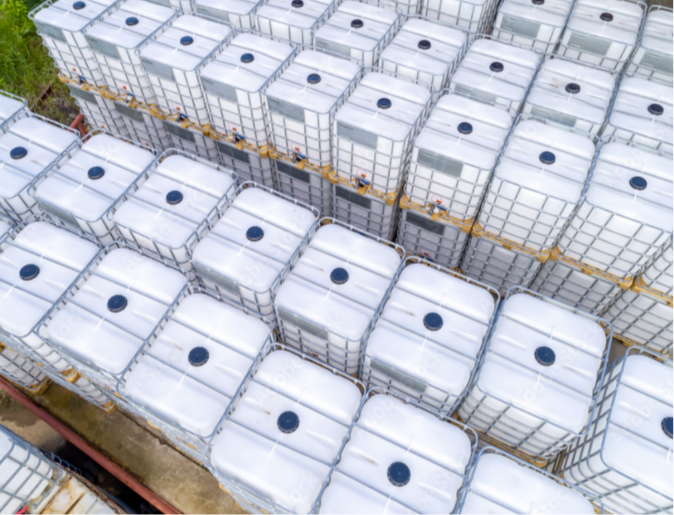
IBC
Drum
Can
CAS
INCI-name
Applications
Technical
How is boiled linseed oil produced?
Boiled linseed oil is produced from the seeds of the flax plant (Linum usitatissimum). The production process begins with pressing flaxseed to extract raw linseed oil. This oil is then treated to accelerate the drying process and improve its film-forming properties.
The production process consists of the following steps:
-
Extraction of linseed oil: Flaxseed is pressed to extract raw linseed oil.
-
Heating: The extracted linseed oil is heated as part of the production process.
-
Addition of drying agents: The oil is treated with drying agents, such as lead or manganese compounds, which accelerate the oxidation process.
-
Accelerated drying: This treatment allows the oil to dry more quickly when applied to a surface.
-
Formation of a protective layer: During drying, the oil forms a harder and more durable finish.
How does boiled linseed oil work?
Boiled linseed oil works by penetrating deeply into the surface to which it is applied, such as wood or stone, and then forming a protective layer that shields the material from moisture and dirt. Its deep penetration helps nourish the wood and protect it against cracking and warping. When used in paint, boiled linseed oil acts as a binder that helps distribute pigments evenly and create a smooth, durable finish. This versatility makes it a valuable addition to any toolkit for surface treatment and protection.
Boiled linseed oil dries through oxidative polymerisation. During this process, the unsaturated fatty acids in the oil react with oxygen from the air. This reaction creates bonds between the fatty acid chains, gradually transforming the liquid oil into a solid film.
This process makes boiled linseed oil suitable for various surface treatments.
In which industries is boiled linseed oil used?
Boiled linseed oil is mainly used in technical applications where drying, film formation and surface protection are key priorities.
Woodworking industry
In the woodworking industry, boiled linseed oil is used for the treatment and finishing of wooden surfaces.
Examples of applications:
-
Wood protection products
-
Maintenance oils for wooden components
-
Traditional wood finishes
-
Oil-based surface treatments
Boiled linseed oil can help enhance the wood grain and reduce moisture absorption. For outdoor applications, additional protection may be required, for example against UV radiation and biological deterioration.
Paint and coatings industry
In the paint and coatings industry, boiled linseed oil is used for its film-forming properties.
Examples of applications:
-
Traditional oil paints
-
Wood paints and primers
-
Oil-based coatings
-
Protective surface treatments
The oil can serve as a binder and contribute to the formation of a cohesive coating layer. The exact performance is determined by the overall formulation.
Technical and industrial applications
In the technical industry, boiled linseed oil can be used to protect and maintain metal surfaces. After curing, the oil forms a protective layer that can help reduce corrosion.
Examples of applications:
-
Protection of metal components: Treating metal surfaces to help reduce rust formation.
-
Tool maintenance: Applying a protective layer of oil to suitable metal tools.
-
Protection of machine components: Treating metal components that require protection against moisture and corrosion.
For technical applications, it is important to assess properties such as drying time, viscosity, compatibility with the metal and the desired level of protection in advance.

Besides boiled linseed oil, we have other products in our range. Check it out on our insights page!
Frequently asked questions about boiled linseed oil
1. What is the difference between raw and boiled linseed oil?
The main difference between raw and boiled linseed oil is the drying speed.
Raw linseed oil dries relatively slowly. Boiled linseed oil has been treated to dry faster, for example through thermal treatment or the addition of drying agents.
Both products are based on linseed oil but may differ in composition, processing and potential applications.
Boiled linseed oil is therefore often chosen for applications where a shorter drying time is desired.
2. What are the benefits of boiled linseed oil?
The main benefits of boiled linseed oil are:
-
Fast drying
-
Plant-based origin of the base oil
-
Good penetration into suitable porous substrates
-
Film-forming properties
This makes boiled linseed oil a useful raw material for manufacturers of wood finishing products, coatings and technical formulations.
3. How long does it take for boiled linseed oil to dry?
The drying time of boiled linseed oil varies depending on its composition, the amount applied and the environmental conditions.
Factors that affect drying time include:
-
Temperature
-
Humidity
-
Oxygen supply and ventilation
-
Layer thickness
-
Presence and type of drying agents
-
Properties of the substrate
A thin layer generally dries faster than a thick layer. For a reliable drying time, the technical product specifications and application conditions should be consulted.
4. What are the disadvantages and considerations of boiled linseed oil?
Boiled linseed oil also has limitations that should be taken into account.
-
Drying depends on oxygen, temperature and layer thickness.
-
Excessively thick layers may dry slowly or unevenly.
-
The oil may yellow or discolour over time.
-
Protection against moisture and weather conditions depends on the complete treatment system.
-
The composition may contain drying agents that are relevant to safety and environmental assessments.
Safety consideration: Cloths and other absorbent materials soaked in linseed oil can spontaneously ignite due to heat generated during the oxidation process. Used materials must therefore be handled and disposed of in accordance with applicable safety regulations.
5. Is boiled linseed oil suitable for outdoor applications?
Boiled linseed oil can be applied to wooden surfaces used outdoors, but it does not always provide sufficient protection against prolonged exposure to weather conditions on its own.
UV radiation, moisture exposure and biological deterioration in particular may make additional protective measures necessary.
Suitability for outdoor applications must therefore be assessed based on the complete treatment system and the conditions to which the material is exposed.
Chempri: your partner in boiled linseed oil
Chempri specialises in the supply of oleochemicals and their derivatives, including boiled linseed oil for technical and industrial applications.
With our knowledge of vegetable oils and their applications, we support business customers in finding suitable raw materials for their production processes.
We assist customers with enquiries about product properties, potential applications and available product specifications.
Would you like more information about boiled linseed oil or request a quotation?