Monopropylene glycol (Propylene glycol)
What is monopropylene glycol (propylene glycol)?
Monopropylene glycol (MPG), also known as propylene glycol or 1,2-propanediol, is a colorless, odorless, and hygroscopic liquid. It belongs to the group of glycols and is widely used as a solvent, humectant, and carrier fluid in various industries.
Due to its low viscosity and good miscibility with water and organic substances, monopropylene glycol is widely used in food, pharmaceutical, and technical applications.
Packaging
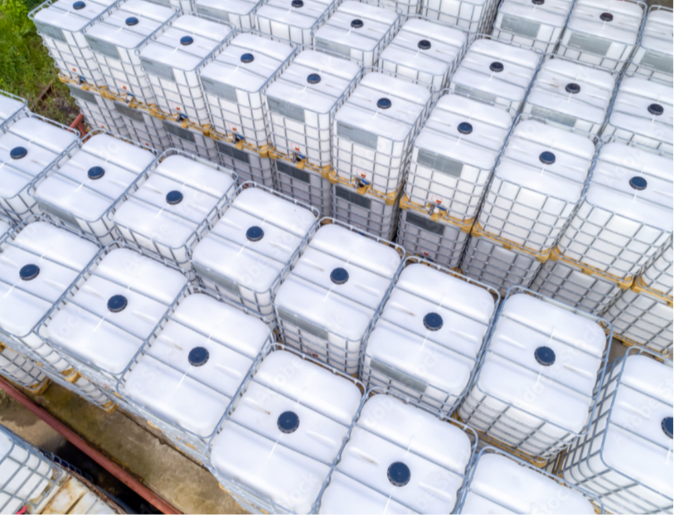
IBC
Bulk
Drum
Can
CAS
57-55-6
INCI-name
Propylene glycol
Application
Technical
Cosmetic
Farmaceutical
Animal food
Food
How is propylene glycol produced?
Propylene glycol is industrially produced through the hydration of propylene oxide.
The process consists of:
- Hydration of propylene oxide: a reaction between propylene oxide and water, resulting in the formation of monopropylene glycol.
- Direct or indirect process route: depending on the production method, different catalysts and process conditions are used.
- Distillation and purification: separation of by-products (such as dipropylene glycol) to achieve the required purity level.
For applications in food, pharmaceuticals, and animal feed, strict quality standards and regulations apply within Europe.
Which variants of propylene glycol are available?
Monopropylene glycol is available in different grades, depending on the intended application:
- Food grade (E1520): suitable for food applications
- Pharma grade (USP/EP): for pharmaceutical applications
- Industrial grade: for technical and industrial applications
- Feed grade (GMP+): for animal feed applications
Choosing the correct grade is important for compliance, safety, and the performance of the final product.
In which industries is propylene glycol used?
Monopropylene glycol is used in various industries due to its solubility, moisture-retaining properties, and stability.
Food industry
One of the main industries in which it is used is the food industry. Here, it is used as a humectant, preservative, solvent for flavorings, and as a texture enhancer.
Pharmaceutical industry
In the pharmaceutical industry, propylene glycol is used as a solvent for active ingredients and as a humectant in medicines. For example, it is used in cough syrups to dissolve active substances and to prevent the syrup from drying out.
Cosmetics & personal care
Monopropylene glycol is also used in the cosmetic industry as a humectant. It is often added to creams, lotions, and deodorants to help prevent the skin from drying out. In addition, it is used as an ingredient in perfumes because it has good fragrance-retention properties.
Technical and industrial applications
In the automotive industry, monopropylene glycol is used as an antifreeze agent to prevent water in radiators from freezing. It is added to coolants to help prevent engines from overheating. In addition, it can be used as a solvent in inks and paints and as a plasticizer in plastics.
Animal feed (feed)
Monopropylene glycol is also widely used in the animal feed industry as a feed material. The substance has an EU catalogue number of 13.11.1 and is recognized as a GMP+ product under code 13.029. It serves multiple functions, including extending shelf life, acting as a humectant, and providing an energy source in animal feed products.
Beside Monopropylene glycol we have other products in our range. Check it out on our insights-page!
Frequently asked questions about monopropylene glycol
1. What is the difference between monopropylene glycol and dipropylene glycol?
Monopropylene glycol (MPG) has a lower viscosity and is more commonly used in food and pharmaceutical applications. Dipropylene glycol (DPG) is more frequently used in industrial and fragrance applications.
2. Which grade of propylene glycol do I need?
This depends on the intended application:
- Food grade → food applications (E1520)
- Pharma grade → pharmaceutical products
- Industrial grade → technical applications
The correct specification is essential for compliance and safety.
3. Why is propylene glycol used as a solvent?
Because it mixes well with both water and organic substances and remains chemically stable, helping active ingredients stay evenly distributed within the formulation.
4. What are the advantages and considerations of monopropylene glycol?
Advantages
- Excellent solvent properties
- Strong moisture-retaining properties
- Versatile across multiple industries (food, pharma, technical, feed)
- Low viscosity → easy to process
- Stable and consistent
Considerations
- Correct dosage is important (depending on application and regulations)
- Different grades are available (food, pharma, industrial)
- Perception around synthetic ingredients may play a role in end products
Chempri: your partner in monopropylene glycol
Chempri supplies monopropylene glycol (propylene glycol) for a wide range of applications, including food, pharmaceutical, and cosmetic industries.
We offer:
- Deliveries from Europe
- Consistent quality and product specifications
- Support in product selection
- Flexible volumes
In addition, we support customers with the selection of the correct grade (food, pharma, industrial), technical documentation (COA, TDS), and application advice for specific industries.
Do you have questions or would you like to place an order directly? Please contact our sales department.