Caprylic acid
What is caprylic acid?
Caprylic acid, also known as octanoic acid, is a saturated fatty acid with 8 carbon atoms (C8). It belongs to the group of medium-chain fatty acids (MCFAs), meaning it is absorbed more rapidly and has different physicochemical properties compared to long-chain fatty acids.
Due to its C8 structure, caprylic acid has several specific characteristics:
- Relatively low viscosity
- Good solubility in organic systems
Caprylic acid is widely used as a raw material and functional ingredient in applications such as food, pharmaceuticals, and cosmetics.
Packaging
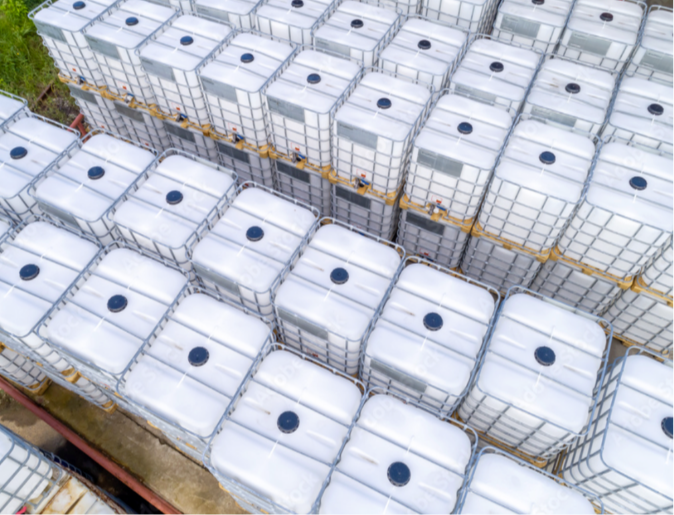
IBC
Bulk
Drum
Can
CAS
124-07-2
INCI-name
Caprylic acid
Application
Technical
Cosmetic
Feed
Food
How is caprylic acid produced?
Caprylic acid is primarily produced from natural oils such as coconut oil and palm oil. These oils contain triglycerides in which caprylic acid is naturally bound.
The production process consists of several steps:
- Hydrolysis: triglycerides are split into free fatty acids and glycerol.
- Fractionation / distillation: the different fatty acids are separated based on chain length.
- Purification: caprylic acid (C8) is further refined to meet the required specifications.
Within Europe, production takes place under strict quality and safety standards, including REACH regulations. This is particularly important for applications in industries such as food, cosmetics, and pharmaceuticals.
How does caprylic acid work in a formulation?
Caprylic acid is used in formulations because of its emulsifying and solubilizing properties.
It helps dissolve or stabilize oily components. For example, in a cosmetic cream, caprylic acid helps distribute oily ingredients evenly throughout the formulation, contributing to product stability and helping to prevent phase separation.
In which industries is caprylic acid used?
Caprylic acid is used across a variety of industries:
Food industry
- Nutritional supplements (e.g. MCT products)
- Functional ingredient in specialized diets
Pharmaceutical industry
- Excipient in pharmaceutical formulations
Cosmetics & personal care
- Creams and lotions
- Products for acne-prone skin
- Cleansing products
Technical and industrial applications
- Intermediate for esters and derivatives
- Additives in coatings or lubricants
Besides caprylic acid we have other products in our range. Check it out on our insights page!
Frequently asked questions about caprylic acid
1. Is caprylic acid the same as MCT oil?
No. Caprylic acid (C8) is a specific fatty acid, while MCT oil is a mixture of medium-chain triglycerides, typically containing C8 and C10 fatty acids.
2. Is caprylic acid natural?
Yes. Caprylic acid occurs naturally in coconut oil and palm oil. The level of processing determines whether it qualifies as “natural” under certain certification standards.
3. What is the difference between caprylic acid and capric acid?
Caprylic acid contains 8 carbon atoms (C8), while capric acid contains 10 carbon atoms (C10). This difference affects properties such as solubility, odor, and application.
4. What are the advantages and considerations of caprylic acid?
Advantages
- Rapid absorption due to its MCFA structure
- Versatile use across multiple industries
- Derived from renewable sources such as coconut and palm oil
Considerations
- Raw material origin (palm vs. coconut) may be relevant for sustainability requirements
- Purity levels and specifications vary depending on the application
- Depending on the production process, not every product qualifies for “100% natural” claims
Chempri: your partner in caprylic acid
Chempri supplies caprylic acid as part of a broad portfolio of oleochemicals and derivatives.
We support customers with:
- Consistent quality and product specifications
- Deliveries from Europe
- Technical support in product selection
- Flexible volumes
In addition, we assist with application support for specific formulations, alternative product options, and documentation such as COAs and product specifications.
Do you have questions or would you like to place an order directly? Please contact our sales department.