
Almond oil (Prunus Amygdalus dulcis oil)
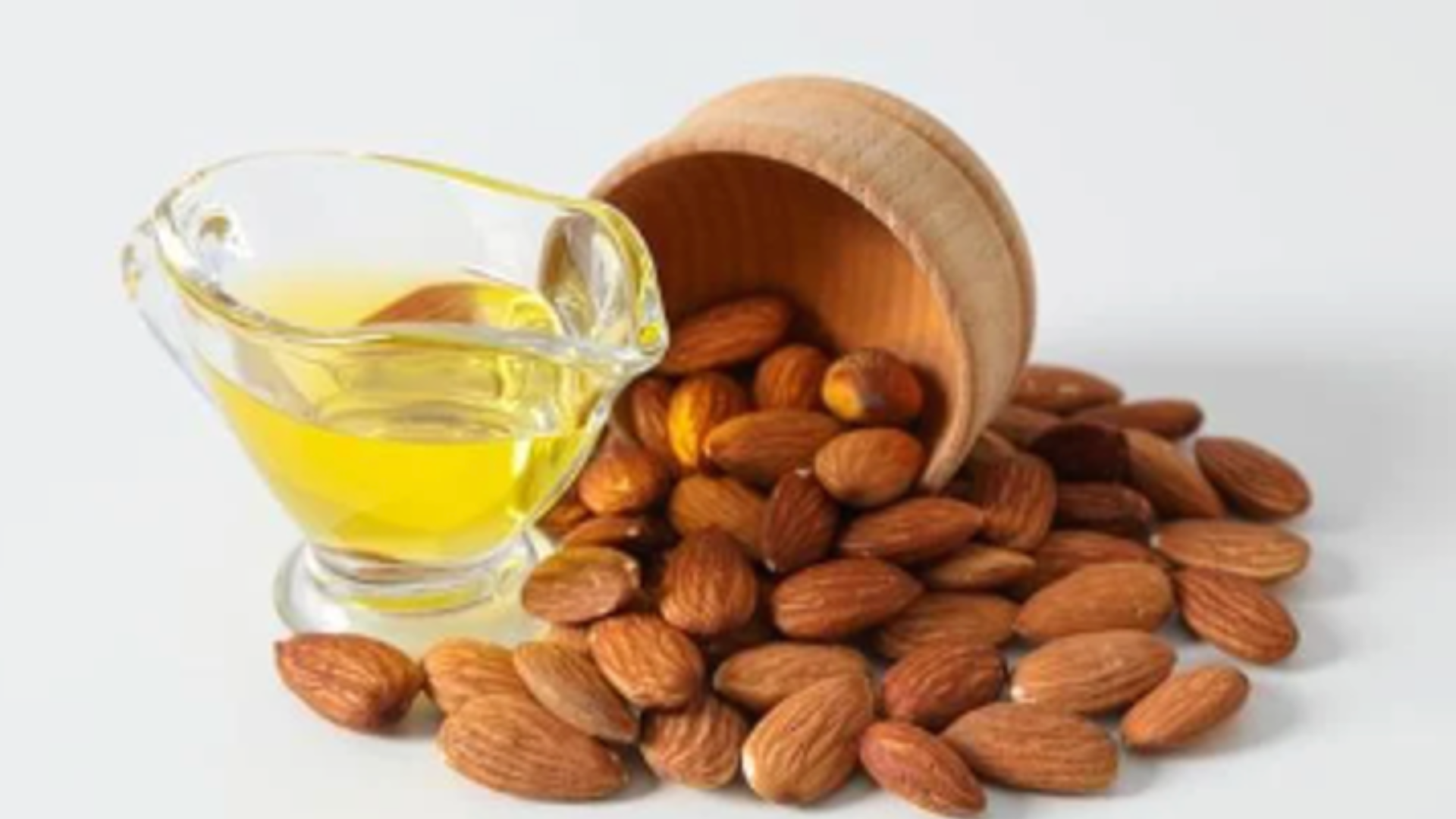
What is almond oil?
Almond oil, also known as Prunus Amygdalus Dulcis Oil or sweet almond oil, is a natural vegetable oil extracted from the seeds of the almond tree (Prunus dulcis). This oil is known for its nourishing, softening and lubricating properties and has been used for centuries for various purposes, from skincare to culinary applications.
Almond oil mainly contains unsaturated fatty acids, including oleic acid (omega 9) and linoleic acid (omega 6). In addition, the oil naturally contains vitamin E and other components that contribute to its properties.
Thanks to this composition, almond oil is used in:
-
Cosmetic products such as creams, lotions and facial serums
-
Pharmaceutical formulations and products for external use
-
Technical applications such as lubricants and machine maintenance
-
Food products and culinary preparations
Due to its mild nature and versatile properties, almond oil is a valuable raw material for manufacturers in various industries.
For applications where organic origin is important, Chempri also offers organic almond oil.
Packaging
Bulk
IBC
Drum
Can
CAS
8007-69-0
INCI-name
Prunus Amygdalus dulcis oil
Applications
Technical
Cosmetic
Pharmaceutical
Food
How is Prunus Amygdalus Dulcis Oil produced?
Almond oil is produced by pressing the seeds of the almond tree, also known as almond nuts. During this process, the natural oils are released from the seeds. The extracted oil is then filtered to obtain a pure, clear oil.
The production process consists of the following steps:
-
Harvesting of almonds: The almonds are collected and prepared for oil production.
-
Preparation of the seeds: The hard shells are removed from the almonds, which are then cleaned.
-
Pressing: The almond seeds are mechanically pressed to release the natural oil.
-
Filtration: The extracted oil is filtered to remove solid particles and other unwanted components.
-
Quality control: The oil is checked for relevant properties, such as appearance, purity and composition.
This production method preserves the valuable components of the almonds, including unsaturated fatty acids and natural antioxidants, as much as possible.
The result is a clear vegetable oil with nourishing, softening and moisturising properties. This makes almond oil suitable for various cosmetic, pharmaceutical, technical and food-related applications.
What properties does almond oil have and how does it work?
Almond oil has softening, conditioning and lubricating properties thanks to its composition, which consists mainly of unsaturated fatty acids. The function of Prunus Amygdalus Dulcis Oil varies depending on the application and how the oil is processed.
1. Softening and moisturising properties
In cosmetic formulations, almond oil acts as an emollient. This means that the oil softens the skin and helps reduce moisture loss through the skin's surface.
The oil spreads easily over the skin and helps maintain soft and supple skin. As a result, almond oil is widely used in products for dry and sensitive skin.
Practical example: In a body lotion, almond oil can contribute to a softer skin feel and help reduce dryness and flaking. In a facial serum, the oil can support the conditioning properties of the formulation.
2. Properties as a carrier oil
Almond oil is used as a carrier oil in certain pharmaceutical and aromatherapy formulations. The oil can serve as a base in which other oil-soluble ingredients are incorporated or diluted.
Due to its liquid structure, almond oil is suitable for various oil-based formulations for external use.
Practical example: In a massage oil, almond oil can serve as a base oil in which an appropriate amount of essential oil is diluted. The final concentration must be adjusted to the application and safety requirements.
3. Lubricating properties
Almond oil naturally has lubricating properties. The oil can form a thin film between moving surfaces, thereby reducing friction.
As a result, almond oil is used as a vegetable-based lubricant or as an ingredient in certain machine maintenance products.
Practical example: When developing a technical maintenance product, almond oil can be used as a vegetable oil component to support the lubricating properties of the formulation.
For such applications, viscosity, oxidative stability and material compatibility are among the important considerations.
4. Properties for food products
Almond oil contains a high proportion of monounsaturated fatty acids and has a mild, characteristic flavour.
As a result, food-grade almond oil can be used as an ingredient in various food products. The oil can contribute to the flavour, texture and fatty acid profile of a food product.
Practical example: A manufacturer of salad dressings can incorporate almond oil to add a mild almond flavour and a smooth texture to the final product.
For food applications, the grade used must comply with applicable food safety and quality requirements.
In which industries is Prunus Amygdalus Dulcis Oil used?
Almond oil is used in various industries due to its conditioning, nourishing and lubricating properties. The exact application depends on the composition, quality and desired properties of the final product.
Technical applications
In the technical industry, almond oil is used as a lubricant or as an ingredient in machine maintenance products.
Examples of applications include:
-
Vegetable-based lubricant formulations
-
Machine maintenance products
-
Formulations where a vegetable-based base oil is desired
Almond oil may be of interest to manufacturers looking to use plant-based raw materials in technical products.
The food industry
In the food industry, almond oil is valued for its mild flavour and high content of monounsaturated fatty acids.
Food-grade almond oil can be used in:
-
Salad dressings
-
Sauces and cold preparations
-
Baked goods
The cosmetics industry
In the cosmetics industry, Prunus Amygdalus Dulcis Oil is valued for its moisturising, nourishing and softening properties.
The oil is used in various skincare products, including:
-
Facial creams and body lotions
-
Facial serums and facial oils
-
Massage oils
-
Lip balms
-
Hand and body care products
-
Hair oils and conditioners
Almond oil helps keep the skin supple and supports the natural skin barrier by reducing moisture loss.
Almond oil can also be used in haircare products to make the hair feel softer and smoother.
The pharmaceutical industry
In the pharmaceutical industry, almond oil is used as a carrier oil and as an oil component in certain formulations for external use.
Examples of applications include:
-
Dermatological creams and ointments
-
Oil-based pharmaceutical formulations
-
Carrier oil for suitable active ingredients
-
Topical care products

Besides almond oil, we have other products in our range. Check it out on our insights page!
Frequently asked questions about almond oil
1. What are the benefits of almond oil?
Almond oil offers several benefits thanks to its natural composition and versatile properties.
The main benefits include:
-
Plant-based origin
-
High content of unsaturated fatty acids
-
Naturally contains vitamin E
-
Softening and conditioning properties
-
Good spreadability
-
Suitable as a carrier oil in certain formulations
For manufacturers, almond oil offers opportunities to incorporate a plant-based raw material with both conditioning and functional properties.
2. What are the disadvantages and considerations of Prunus Amygdalus Dulcis Oil?
When using almond oil, several factors should be taken into account.
-
Sensitivity to oxidation: Unsaturated fatty acids can oxidise when exposed to oxygen, heat and light.
-
Shelf life: The oil must be stored under suitable conditions to minimise loss of quality.
-
Allergens: Due to its origin from almonds, an application-specific allergen assessment is important.
-
Quality requirements: Cosmetic, pharmaceutical, technical and food-related applications have different requirements for the oil used.
When developing a formulation, it is therefore important to consider the product specifications and intended application.
3. Is almond oil suitable for sensitive skin?
Almond oil is often used in skincare products for dry and sensitive skin.
The oil has softening properties and helps reduce moisture loss through the skin's surface. As a result, it can help maintain supple skin.
Its suitability ultimately depends on the overall formulation and individual skin reactions. In cases of a known almond allergy, the safety of the product must be specifically assessed.
4. How should almond oil be stored?
Almond oil is best stored in a tightly sealed container, protected from heat, direct sunlight and prolonged exposure to oxygen.
Due to the presence of unsaturated fatty acids, the oil can oxidise if stored improperly, affecting its odour, colour and quality.
For business customers, it is important to follow the recommended storage conditions and shelf life stated in the product specifications.
Chempri: your partner in almond oil
Chempri specialises in the production and supply of oleochemicals and their derivatives, including almond oil (Prunus Amygdalus Dulcis Oil).
Our products are manufactured at our modern production facility and can be adapted to the specific needs of our customers.
We support business customers with enquiries about:
-
Product properties and applications
-
Technical specifications and documentation
-
Available packaging options
-
Product selection and availability
-
Contract manufacturing options
Do you have any questions about almond oil, would you like to receive more information or place an order directly?